Bathroom comfort matters—especially in compact spaces, busy households, or homes that welcome guests frequently. That’s where odorless toilet technology comes in. Instead of masking smells with sprays, these systems use targeted airflow to help keep the bathroom fresher from the start. This article is general information only—not installation instructions—and aims to explain the overall idea in plain English.
Why Bathroom Odors Linger in the First Place
Odors can hang in the air when small rooms don’t move air efficiently or when smells escape the bowl into the room. Traditional responses—like candles or aerosols—try to cover scents after the fact. Odorless toilet systems approach the issue at the source by controlling airflow right where odors originate.
The General Principle: Negative-Pressure Capture
Odorless toilets typically use a negative-pressure effect to draw air from inside the bowl and route it away through filtration or an exhaust pathway. Think of it as a gentle, directed airflow: instead of drifting outward, air is captured and moved along a controlled route. Designs vary by brand and model, but the general goal is the same—capture first, then move.
What This Means for Everyday Life
- Freshness without cover-ups: Capturing odors at the source reduces the need for heavy fragrances or repeated “courtesy” flushes.
- Guest-friendly spaces: Half-baths and powder rooms feel more comfortable for visitors and family alike.
- Cleaner vibe overall: Many users describe a bathroom that simply feels “lighter” and more welcoming throughout the day.
Where Odorless Systems Fit Best
They’re popular in small powder rooms, shared bathrooms, home offices with nearby restrooms, and short-term rentals where first impressions really matter. Homeowners who prefer low-fragrance environments—whether for comfort or allergy sensitivity—also tend to appreciate a capture-based approach.
How This Complements Modern “Smart Bathroom” Trends
Today’s smart bathrooms bring together comfort, cleanliness, and design. Odorless toilets fit naturally alongside common features such as soft-close lids, night lighting, and bidet functionality. The shared theme: small, thoughtful upgrades that make daily routines feel better—without adding visual clutter.
General Considerations (Non-Technical)
- Power & components: Systems may use a quiet fan and a filter pathway. Designs vary by model.
- Sound: Look for systems engineered for low noise so they blend into the background of everyday use.
- Upkeep: Like any home product, basic care (e.g., replacing consumable parts per manufacturer guidance) supports long-term performance.
- Aesthetics: Newer designs integrate airflow solutions into clean, modern silhouettes.
Sustainability Angle: Less Masking, More Managing
Because odorless toilets address smells at the source, many households find they rely less on heavy deodorizers. Pair that with mindful water use and you have a bathroom that supports comfort while keeping resource awareness in view. For a high-level look at bathroom sustainability concepts, you can explore:
What to Consider When You’re Comparing Options
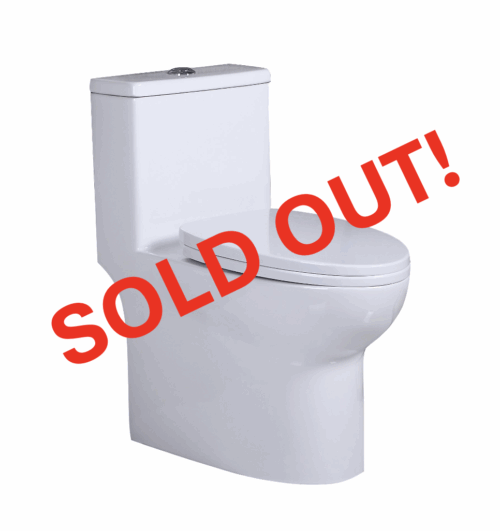
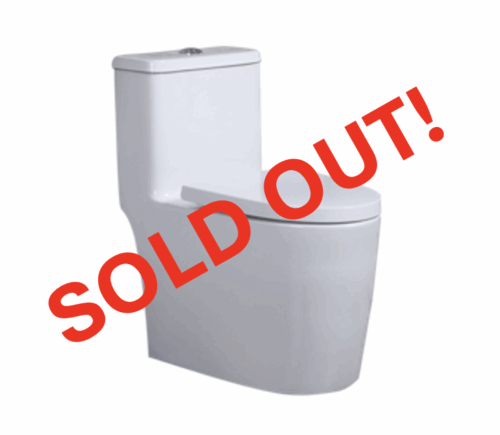
Since models differ, many shoppers start by deciding between a retrofit kit and a fully integrated toilet. A retrofit solution can be a practical way to add source-capture airflow to an existing bathroom without swapping the whole fixture. Integrated systems provide a streamlined, design-forward experience in one package.
See What’s Possible with Ecoair
Curious which approach fits your space? You can browse our full lineup or look at a retrofit option to understand how each path works at a high level:
Shop the Odorless Collection |
Explore the Retro Odorless System
Odorless toilet technology focuses on comfort at the source—quietly capturing odors before they reach the room. For many homes, that means a fresher, more welcoming bathroom every day, without relying on heavy fragrances. If you’re exploring options, a quick look at retrofit versus integrated designs is a simple first step.