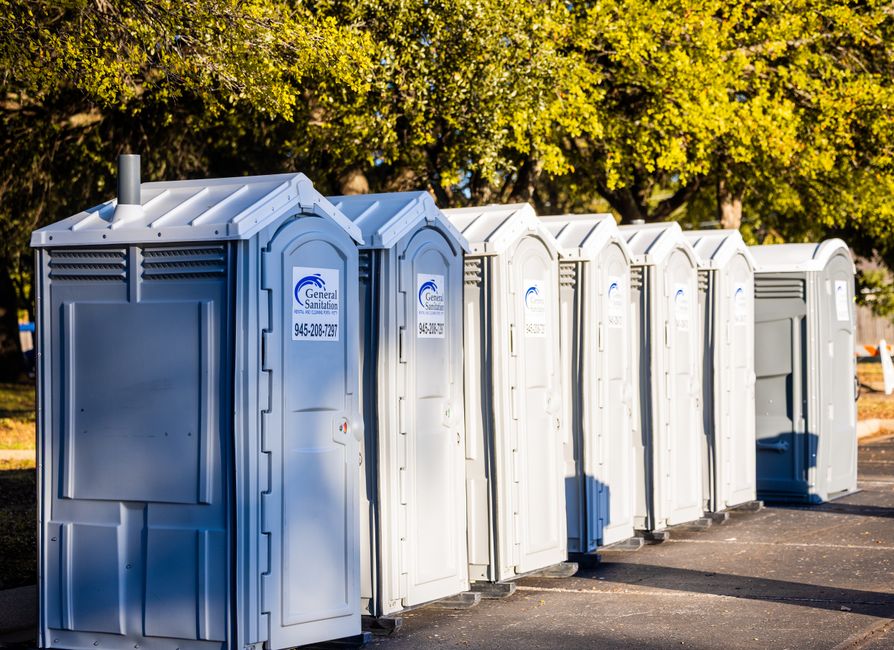
Renting portable toilets for a weekend festival, a three-day wedding celebration, or a week-long construction push isn’t complicated, but it does involve more moving parts than a one-day rental. Knowing what happens before, during, and after your event helps you plan the site, budget accurately, and avoid the small surprises that can turn into big complaints. Here’s what a multi-day portable toilet rental actually looks like from start to finish.
Before Delivery: Planning the Site and the Count
Most rental companies will ask three questions upfront: how many people, how many days, and whether alcohol will be served. Those answers determine your unit count. A common rule of thumb is one standard unit per 50 guests for a four-hour event, but multi-day events raise the math. Longer hours, alcohol, and hot weather all increase usage, and undersized orders are the single most common reason renters end up unhappy.
You’ll also want to think about placement before the truck arrives. Units need a level, firm surface, clearance for the service truck (typically 10 to 12 feet wide), and enough distance from food service and main gathering areas to feel discreet without being inconvenient. If your event is in Ammon, Idaho Falls, or one of the smaller communities like Iona or Ucon, keep wind direction in mind — the prevailing breeze off the Snake River plain matters more than people expect.
Delivery Day: What Actually Happens
Delivery usually takes place one to two days before your event begins. The driver will confirm the placement location, level the units, stock them with paper and hand sanitizer, and walk you through anything specific to your setup. For a multi-day rental, this initial stocking is heavier than a one-day drop because the units need to hold up between service visits.
Expect the whole process to take 15 to 45 minutes depending on unit count and site access. If your venue has gate codes, restricted delivery windows, or a specific contact on-site, share those details when you book, not the morning of delivery.
Servicing Schedules During the Event
This is the part most first-time renters underestimate. A portable toilet at a busy multi-day event needs to be serviced — pumped, cleaned, and restocked — on a schedule tied to expected usage, not just the calendar. For a two- to three-day event with steady traffic, plan on service every 24 hours at minimum. High-volume events like festivals or wedding weekends with open bars often need twice-daily servicing.
Your rental company should propose a schedule when you book, and you should feel comfortable asking them to walk through it. A good provider will also build in a service window that avoids peak guest hours, so the truck isn’t rolling through during your ceremony or keynote.
Odor Control Between Service Visits
Between servicings, odor control comes down to three things: the deodorizer charge in the holding tank, ventilation inside the unit, and where the unit is placed. Modern deodorizers are dosed to last through expected use, but heat accelerates odor development. In an Eastern Idaho summer, a unit sitting in full afternoon sun on asphalt will smell noticeably worse by evening than one placed in partial shade on grass.
If you’re concerned about odor for a higher-end event — a wedding, a corporate gathering, a family reunion — ask about upgraded units with flushing mechanisms, enhanced ventilation, or hand-wash stations. The difference in guest experience is significant, and the price gap is smaller than most people assume.
What You’re Responsible For On-Site
Renters sometimes assume the unit is entirely hands-off between service visits. In practice, there are a few small things that keep the experience good for guests. Keep the area around the units clear so the service truck can access them. Don’t relocate units yourself — the tanks are heavier than they look and shifting them can cause spills. And if something breaks or a unit gets vandalized, call the rental company right away rather than waiting for the next scheduled service.
For events with children or alcohol, a quick check every few hours to restock paper from your reserve supply or flag any issues goes a long way. Most providers will leave extra supplies with you at delivery.
Pickup and Wrap-Up
Pickup typically happens the day after your event ends, though same-day pickup is often available for an added fee. The driver will pump the units one final time, load them, and check the site for any damage or missing equipment. If units were placed on grass, expect some matting or minor turf compression where they sat — this usually recovers within a week or two.
Your final invoice will reflect the agreed rental period plus any additional services, extended stays, or damage charges. Reputable companies itemize these clearly, so review the paperwork before you sign off.
Booking Your Rental
The best time to book a multi-day rental in the Idaho Falls area is four to six weeks out, longer if your event falls on a holiday weekend or overlaps with peak construction season. When you call, have your dates, guest count, site address, and any special requests ready. A short, specific conversation upfront is what turns a portable toilet rental from a logistical worry into a detail you don’t have to think about again until pickup.
Featured image: Photo by Caleb Oquendo on Pexels.