
Summer in Eastern Idaho means long weekends at Henrys Lake, family runs to Yellowstone, and slow drives back through Rigby with the windows down. It also means your RV’s holding tanks are about to work harder than they have all year. Heat, heavy use, and long stretches between dump stations are the perfect recipe for odors that follow you home. The good news: a steady routine, started before you pull out of the driveway, keeps the bathroom fresh for the entire trip.

Why Summer Makes Odor Worse

Holding tank smells are caused by anaerobic bacteria breaking down waste in a low-oxygen environment. The warmer the tank, the faster that process runs. A black tank sitting in 90-degree sun for a few hours can produce more odor in an afternoon than it would in a week of cool weather.

Add in the realities of a road trip—more flushes, more guests, longer gaps between dumps—and you can see why RV toilet odor control needs a seasonal strategy, not just a bottle of deodorizer tossed in once a month.

Start With a Clean Tank Before You Leave

The most common mistake is heading out with residue from the last trip still coating the inside of the black tank. Even if you dumped and rinsed in the fall, sludge can harden over the winter and become a permanent odor source.

Before your first big trip of the season, run a deep clean. Fill the black tank about two-thirds full with fresh water, add a tank cleaner designed to break down solids and biofilm, and drive for a day so the liquid sloshes against the walls. Then dump, rinse with a built-in flush or a wand, and repeat until the water runs clear. A clean starting point makes every other step more effective.

Get the Water-to-Waste Ratio Right

One of the most overlooked rules of RV sanitation is that water is your friend. After every dump, add three to five gallons of fresh water back into the black tank before you hit the road. That water keeps solids suspended so they flow out cleanly at the next dump instead of building into a pyramid under the toilet.

During use, encourage everyone on board to hold the flush pedal a beat longer than feels necessary. A dry tank is a smelly tank, and skimping on flush water is the fastest way to create problems you’ll be chasing for the rest of the trip.

Choose a Treatment That Actually Works

Tank treatments fall into a few categories: enzyme and bacterial blends, mineral-based products, and chemical formaldehyde types. Enzyme treatments are generally the most forgiving for summer travel because they keep working as long as the tank stays wet, and they’re friendly to dump stations and septic systems—something to keep in mind if you’re emptying at a friend’s place in Iona or Ucon rather than a commercial site.

Whatever you choose, dose it after every dump, not just when you remember. Consistency matters more than the brand on the bottle.

Manage Heat and Ventilation on the Road

Parking in shade isn’t always possible, but small choices add up. When you stop for lunch or a hike, try to angle the RV so the black tank side faces away from direct sun. If your rig has a tank vent on the roof, make sure it isn’t blocked by a bird’s nest or debris—a clear vent lets gases escape upward instead of backing into the bathroom.

A 12-volt vent fan, installed in the roof vent pipe, is one of the cheapest upgrades you can make. It pulls odors out of the tank and creates a slight negative pressure inside, so when you open the toilet flap, air flows down instead of up.

Dump on a Schedule, Not on a Hunch

Waiting until the tank is full sounds efficient, but in summer it almost guarantees odor problems. Aim to dump the black tank when it reaches about two-thirds full, and never leave waste sitting in a hot tank for more than three or four days if you can help it.

Always dump the black tank first, then the gray. The soapy gray water flushes the hose and gives you a cleaner disconnect. Rinse the hose thoroughly, cap it, and add your fresh water and treatment before driving on. If you’re traveling through the Idaho Falls area between legs of a longer trip, plan your dump stops around full-service stations rather than hoping for the best at a remote campground.

Handle the Unexpected Without Panic

Even with a good routine, things happen. A stuck valve, a clog, or a forgotten treatment dose can turn a pleasant trip sour fast. Keep a small kit on board: a bottle of tank cleaner, a backup treatment, disposable gloves, and a flexible rinse wand. If odors start creeping in mid-trip, a fresh dose of enzyme treatment plus an extra few gallons of water in the tank will usually reset things within a day.

For stubborn problems—like a sensor that keeps reading full or a smell that won’t quit—a professional tank clean-out at the end of the season is worth scheduling before the issue compounds.

Your Next Step Before the Next Trip

If your RV has been sitting since last summer, don’t wait until the morning you leave to think about the tanks. Block out an afternoon this week to do a deep clean, check your vent, and stock a treatment you trust. A couple of hours now will save you the kind of memory no one wants from a family vacation. If you’d rather hand off the deep clean to someone local, reach out for a quote before the Eastern Idaho summer schedule fills up.

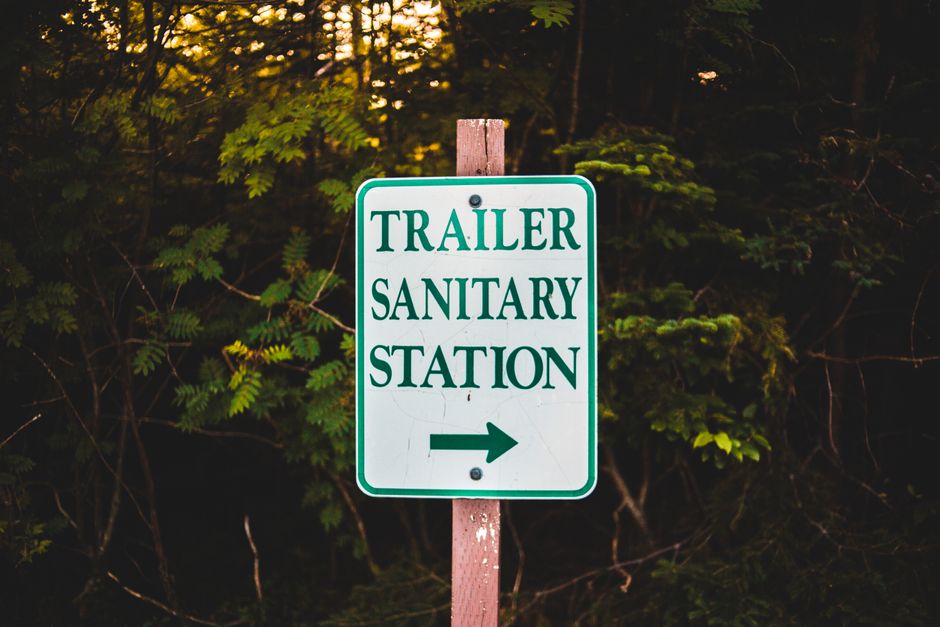
Featured image: Photo by Erik Mclean on Pexels.