Spring building season in the Idaho Falls metro brings a familiar request: a client wants a composting toilet in the backyard ADU, the shop apartment, or the cabin out past Ririe. It sounds simple until you start pricing fixtures, reading code, and thinking about how the unit will actually perform in February. Here is what contractors working in Ammon, Iona, Ucon, and Rigby should know before quoting the job.
Why Clients Are Asking for Composting Toilets
Most requests fall into three categories: accessory dwelling units where running a new sewer lateral is expensive, detached workshops and barns where a half-bath would otherwise require trenching, and off-grid recreational structures where there is no septic at all. A composting toilet sidesteps the water connection and the blackwater line, which can shave thousands off the build.
Clients also like the self-contained nature of the system. For an ADU rental or a shop bathroom used a few hours a day, a well-specified unit handles the load without the maintenance burden of a full septic install.
Code and Permitting in Bonneville and Jefferson Counties
Idaho follows a modified version of the International Plumbing Code, and composting toilets are recognized fixtures under the IPC. That said, local building departments treat them differently depending on the structure. A composting toilet in a permitted ADU still requires an approved means of handling greywater from sinks and showers, and the unit itself usually needs to be on a list of NSF-certified or equivalent products.
Before you frame the bathroom, call the Bonneville County Building Department or the city office in Idaho Falls or Ammon and confirm two things: whether the unit your client picked is approved, and what the greywater disposal requirement looks like. A small leach field or approved greywater system is almost always part of the package.
Choosing the Right Unit for the Build
There are two broad categories worth knowing. Self-contained units house the composting chamber directly under the seat and work well for single-bathroom ADUs or workshops with light use. Central or remote systems place a larger composting tank in a basement or crawlspace below the fixture, which suits higher-traffic builds or multi-bathroom layouts.
Electric units with heating elements and fans compost faster and handle cold conditions better, which matters in Eastern Idaho where a detached workshop can sit at 20 degrees for weeks. Non-electric units are simpler but require more attention to ventilation and bulking material, and they slow down considerably in winter.
Venting Is Where Most Installs Go Wrong
The single biggest source of callbacks on composting toilets is odor, and the cause is almost always the vent stack. These systems rely on continuous negative pressure in the composting chamber, which pulls air down through the seat and out the roof. If the vent run is too long, has too many elbows, or terminates in a spot that catches downdraft from a nearby roofline, the airflow reverses and the bathroom smells.
Keep the vent stack as straight and vertical as possible, run it the diameter the manufacturer specifies (usually two or three inches), and terminate above the roof peak when you can. On electric units, verify the fan is rated for continuous duty and wire it to a dedicated circuit so a tripped breaker does not silently shut down the airflow for a week.
Cold-Weather Performance in Eastern Idaho
Composting slows below about 55 degrees and effectively stops near freezing. For a shop bathroom in Ucon or a cabin near Swan Valley, this means either keeping the chamber heated or accepting that winter use will produce storage rather than finished compost, with processing resuming in spring.
Insulate the chamber space, locate the unit on an interior wall when possible, and consider a heated model if the structure will see year-round use. For seasonal cabins, a freeze-tolerant non-electric unit emptied at the end of the season is often the cleaner solution.
Managing Odor During and After Construction
Even a well-installed composting toilet has a break-in period, and clients notice. Walk them through what is normal: a faint earthy smell near the vent termination outside is fine, any smell inside the bathroom is not. Stock them with the right bulking material, usually coconut coir or untreated pine shavings, and show them how much to add per use.
During the build itself, contractors handling multiple ADU or shop projects across the Idaho Falls area often need interim sanitation for crews before the permanent fixture is commissioned. A serviced portable unit with active odor control keeps the jobsite usable and the neighbors happy, particularly on infill lots in Ammon where the next house is 30 feet away.
Your Next Step Before the Quote
If you have a composting toilet job on the spring schedule, do three things this week. Confirm the specific model with the local building department so you are not specifying a unit that will fail inspection. Sketch the vent run early, before mechanical rough-in, and adjust the floor plan if the stack cannot run straight up. And line up your jobsite sanitation so the crew has a clean, odor-controlled option from day one. Handling these three details up front turns a tricky fixture into a straightforward install, and keeps the callback list short once the keys are handed over.
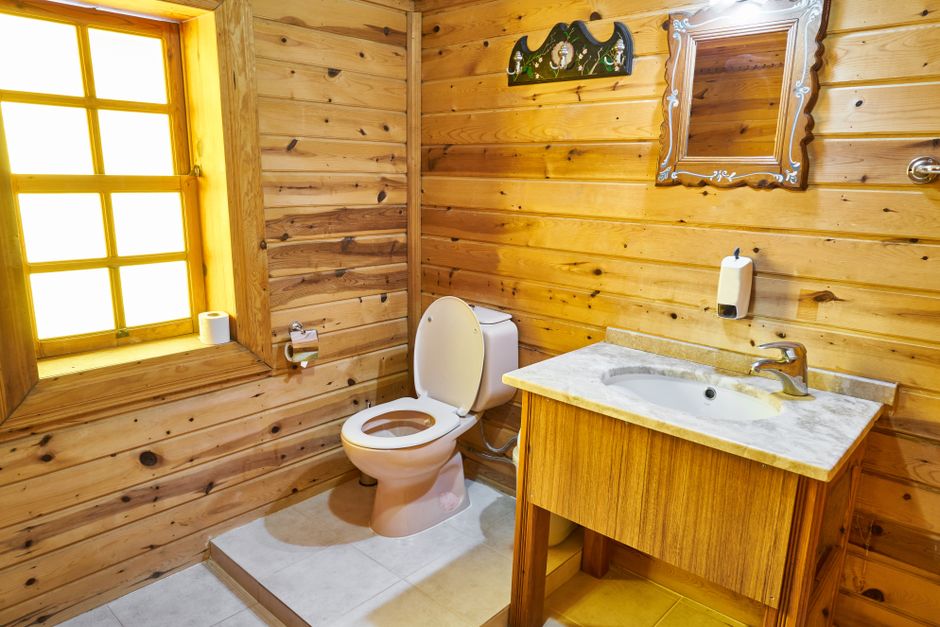
Featured image: Photo by Engin Akyurt on Pexels.